
Streamlining operations is crucial for small businesses, and efficient facilities management plays a pivotal role. This often overlooked area significantly impacts productivity, employee satisfaction, and ultimately, profitability. Fortunately, purpose-built software solutions are emerging to tackle these challenges, offering a range of features designed specifically for the unique needs of smaller organizations. This exploration delves into the benefits, features, and considerations involved in implementing facilities management software for small businesses.
From simplifying work order management to optimizing maintenance schedules and improving communication, these software solutions promise a more efficient and cost-effective approach to facilities management. We’ll examine key features, compare different software options, and discuss the crucial aspects of implementation and cost-benefit analysis to help small business owners make informed decisions.
Exploring the Needs of Small Businesses for Software Solutions
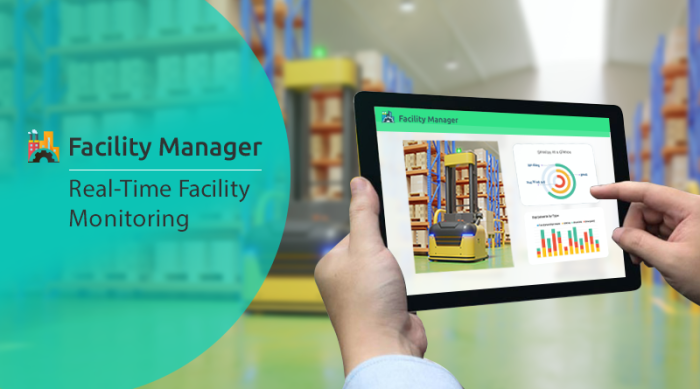
Small businesses often face unique challenges in managing their facilities. Unlike larger corporations with dedicated facilities teams, they typically rely on a smaller staff to handle a wide range of responsibilities, including maintenance, repairs, and compliance. Efficient facilities management is crucial for minimizing downtime, controlling costs, and ensuring a safe and productive work environment. Therefore, the right software can be a game-changer, streamlining processes and improving overall operational efficiency.Effective facilities management software can significantly improve the bottom line for small businesses by optimizing resource allocation, preventing costly breakdowns, and improving communication across teams.
This leads to reduced operational costs, increased productivity, and a more positive work environment. The selection process, however, requires careful consideration of specific needs and functionalities.
Key Features Small Businesses Seek in Facilities Management Software
Small businesses prioritize software that is easy to use, affordable, and addresses their specific needs. They require solutions that integrate seamlessly into their existing workflows and don’t require extensive training. Essential features often include work order management, preventative maintenance scheduling, inventory tracking, and reporting capabilities. The software should provide a centralized platform to manage all aspects of facilities management, eliminating the need for disparate systems and spreadsheets.
Comparison of Facilities Management Software Options for Small Businesses
Several software options cater specifically to small businesses, offering varying levels of functionality and pricing. Some solutions may focus on core features like work order management and preventative maintenance, while others offer more advanced capabilities such as space management, energy monitoring, and environmental compliance tracking. For example, a simple solution might use a basic calendar system for scheduling maintenance, while a more sophisticated system might incorporate AI-driven predictive maintenance capabilities to anticipate potential issues before they occur.
The choice depends on the specific needs and budget of the business. A direct comparison of two hypothetical examples would highlight this: Software A might excel in ease of use and affordability, focusing on core features, while Software B might offer more advanced analytics and reporting at a higher price point.
Importance of User-Friendliness and Ease of Implementation
User-friendliness is paramount for small businesses. Software that is difficult to learn or use can lead to frustration, low adoption rates, and ultimately, a failure to realize the intended benefits. Ease of implementation is equally critical. Small businesses often lack the IT resources to handle complex software installations and integrations. The ideal solution requires minimal setup time, intuitive navigation, and readily available support.
A simple, intuitive interface, combined with readily available tutorials and customer support, ensures a smooth transition and maximizes user adoption. This is especially critical for smaller teams who may have limited technical expertise.
Addressing Specific Facilities Management Needs with Software Features
Software features can directly address various facilities management needs. For instance, work order management streamlines the process of requesting, assigning, and tracking repairs, minimizing downtime. Preventative maintenance scheduling helps prevent equipment failures and extends the lifespan of assets. Inventory tracking ensures that necessary supplies are readily available, reducing delays in repairs and maintenance. Reporting capabilities provide valuable insights into maintenance costs, equipment performance, and overall facilities efficiency.
For example, a small bakery might use the software to schedule preventative maintenance on its ovens, track inventory of flour and sugar, and generate reports on maintenance expenses over time. This data-driven approach allows for better resource allocation and informed decision-making.
Software Features and Functionality
Choosing the right facilities management software can significantly streamline operations and improve efficiency for small businesses. This section details key features, functionality comparisons, and integration benefits to aid in informed decision-making. We’ll explore various software options, a sample user interface, and essential features to consider.
Facilities Management Software Comparison
The selection of facilities management software depends heavily on a business’s specific needs and budget. Below is a comparison of four popular options, highlighting their key features, pricing models, and ideal user profiles. Note that pricing can vary based on the number of users and modules selected.
| Software | Key Features | Pricing | Target Audience |
|---|---|---|---|
| Software A (Example: FacilityMaster) | Work order management, preventative maintenance scheduling, inventory tracking, reporting and analytics. | Subscription-based, starting at $X per month. | Small to medium-sized businesses with basic facilities management needs. |
| Software B (Example: UpKeep) | Mobile-first work order management, preventative maintenance, asset management, communication tools. | Subscription-based, tiered pricing based on features and users. | Businesses prioritizing mobile accessibility and ease of use. |
| Software C (Example: Hippo CMMS) | Comprehensive features including work order management, preventive maintenance, inventory, space management, and reporting. Strong integration capabilities. | Subscription-based, enterprise-level pricing. | Larger businesses with complex facilities and a need for robust integration. |
| Software D (Example: Fiix) | Focus on preventative maintenance, asset management, and real-time data analysis for proactive maintenance strategies. | Subscription-based, scalable pricing depending on business size and features. | Businesses prioritizing predictive maintenance and data-driven decision-making. |
Work Order Management User Interface Mockup
A key feature of facilities management software is work order management. A user-friendly interface is crucial for efficient issue tracking and resolution. Imagine a clean, intuitive dashboard displaying a list of active work orders. Each work order would be represented by a card showing the priority (high, medium, low, color-coded), assigned technician, description of the issue, and status (open, in progress, completed).
Users could filter the list by status, priority, or assigned technician. Clicking on a work order card would open a detailed view, allowing users to add notes, update the status, attach photos, and communicate with the assigned technician through an integrated messaging system. The visual design would be minimalist and modern, using clear typography and intuitive icons. The user flow would be linear and logical, enabling quick access to information and efficient task management.
Benefits of Software Integration
Integrating facilities management software with other business applications, such as accounting and CRM systems, offers significant advantages. For example, integrating with accounting software can automate expense tracking related to maintenance and repairs, improving financial accuracy and reporting. Integration with a CRM system can provide valuable customer context when addressing facilities-related issues, leading to improved customer satisfaction. These integrations streamline workflows, reduce manual data entry, and enhance overall business efficiency.
For instance, a seamless integration with accounting software can automatically record maintenance costs, eliminating the need for manual data entry and reducing the risk of errors.
Essential Features for Small Businesses
When selecting facilities management software, small businesses should prioritize features that address their specific needs and budget. Here are some essential features to consider:
The following features ensure efficient operations and cost savings:
- Work order management: Efficiently track and manage maintenance requests.
- Preventative maintenance scheduling: Proactively schedule maintenance to prevent costly breakdowns.
- Asset tracking: Maintain a detailed inventory of all facilities assets.
- Reporting and analytics: Generate reports to track key performance indicators (KPIs) and identify areas for improvement.
- Mobile accessibility: Allow technicians to access and update work orders from the field.
- User-friendly interface: Ensure ease of use for all personnel.
- Scalability: Choose software that can grow with the business.
Implementation and Cost Considerations
Implementing facilities management (FM) software can significantly streamline operations for small businesses, but careful planning and consideration of costs are crucial for a successful rollout. This section explores the implementation process, cost comparisons across different software options, return on investment (ROI), and strategies for cost optimization.
Software Implementation Process
The implementation of FM software involves several key stages. First, a thorough needs assessment is vital to determine the specific functionalities required. This includes identifying key stakeholders, their roles, and their software usage expectations. Next, the chosen software needs to be configured to match the business’s specific workflows and data structures. This often involves customization of reporting, dashboards, and integration with existing systems.
Training is paramount to ensure staff can effectively use the new software, typically encompassing initial training sessions, ongoing support, and readily available documentation. Finally, data migration from existing systems is a critical step, requiring careful planning to minimize disruption and ensure data accuracy. A phased approach to migration, starting with a pilot program in a limited area, can help mitigate potential risks.
Cost Comparison of Facilities Management Software
The cost of FM software varies considerably depending on several factors. Licensing fees are usually based on the number of users and the features included. Cloud-based solutions often involve subscription fees, while on-premise software may require a one-time purchase but may have higher ongoing maintenance costs. Implementation costs include setup fees, data migration, customization, and training. Ongoing maintenance typically includes technical support, software updates, and potentially additional user licenses.
For example, a basic cloud-based solution might cost $50-$100 per user per month, while a comprehensive on-premise solution could cost tens of thousands of dollars upfront, plus annual maintenance fees.
Return on Investment (ROI) of FM Software
The ROI of FM software stems from increased efficiency and cost savings. Improved maintenance scheduling, reduced downtime, optimized resource allocation, and better inventory management are just some of the benefits that contribute to a positive ROI. For instance, a small business might experience a reduction in maintenance costs by 15% through proactive scheduling enabled by the software, and a 10% reduction in energy consumption through optimized HVAC control.
These savings, when compared to the software’s cost, can quickly demonstrate a significant return. Calculating the ROI requires a careful analysis of both the costs and the benefits, considering factors such as increased productivity, reduced labor costs, and improved compliance.
Cost-Saving Strategies for Software Implementation
Several strategies can help minimize the costs associated with implementing FM software. Choosing a cloud-based solution can reduce upfront capital expenditure and ongoing IT infrastructure costs. Opting for a software solution with a modular structure allows for phased implementation, starting with core functionalities and adding more features as needed. Leveraging internal resources for data migration and training can also significantly reduce implementation costs.
Negotiating favorable licensing agreements and seeking out discounts or promotions can also help lower the overall cost. Finally, thoroughly researching available options and comparing pricing and features before making a purchase is crucial. For example, a small business could save thousands of dollars by opting for a cloud-based solution over an on-premise system, and by training existing staff instead of hiring external consultants.
Facilities Management
Effective facilities management is crucial for small businesses, impacting operational efficiency, employee productivity, and overall profitability. A well-managed facility contributes to a positive work environment, minimizes disruptions, and ensures compliance with safety regulations. This section explores best practices, technological advancements, and emerging trends in facilities management for small businesses.
Best Practices for Effective Facilities Management
Implementing robust facilities management practices involves proactive planning, efficient resource allocation, and consistent monitoring. This includes establishing clear maintenance schedules, prioritizing preventative maintenance to avoid costly repairs, and documenting all facility-related activities. Regular inspections are vital to identify potential issues before they escalate. Furthermore, fostering a culture of responsibility among employees, encouraging them to report maintenance needs promptly, significantly improves responsiveness and reduces downtime.
A well-defined system for handling maintenance requests, whether through a dedicated software or a clear process, ensures timely attention to all issues.
Technology’s Impact on Small Business Facilities Management
Technology is revolutionizing facilities management, offering small businesses cost-effective solutions to streamline operations and improve efficiency. Cloud-based facilities management software provides centralized access to information, enabling better organization of maintenance schedules, inventory tracking, and communication among staff. Mobile applications allow for real-time reporting of issues, facilitating faster response times. For example, a small bakery could use software to schedule oven maintenance, track ingredient inventory, and manage cleaning schedules all in one place, minimizing disruptions and ensuring consistent product quality.
This technology also allows for data-driven decision-making, optimizing resource allocation and improving overall operational efficiency.
Emerging Trends in Facilities Management Software
Several trends are shaping the future of facilities management software for small businesses. The integration of IoT (Internet of Things) devices, such as smart sensors and smart meters, allows for predictive maintenance, anticipating equipment failures before they occur and minimizing downtime. This proactive approach saves money and reduces disruptions. Another trend is the increasing use of AI-powered analytics, which can identify patterns in maintenance data to optimize schedules and resource allocation.
For instance, analyzing historical data on HVAC system failures might reveal a pattern linked to specific weather conditions, enabling preventative measures to be taken before a failure occurs. The increasing focus on sustainability is also driving the development of software solutions that help small businesses monitor and reduce their environmental impact.
Data Analytics and Reporting in Facilities Management
Data analytics and reporting are essential for informed decision-making in facilities management. By tracking key performance indicators (KPIs) such as maintenance costs, energy consumption, and employee satisfaction, small businesses can identify areas for improvement and optimize their resource allocation. For example, tracking energy usage data can reveal inefficiencies, allowing for targeted interventions to reduce energy consumption and save money.
Regular reports provide valuable insights into the overall health and performance of the facility, enabling proactive management and preventing costly disruptions. This data-driven approach allows for better budgeting, resource allocation, and continuous improvement in facility management practices.
Implementing facilities management software can be transformative for small businesses. By centralizing operations, automating tasks, and providing valuable data insights, these systems empower businesses to optimize resource allocation, enhance operational efficiency, and ultimately, achieve significant cost savings. The journey towards improved facilities management begins with understanding the specific needs of your business and selecting a software solution that aligns with your goals and budget.
Embracing these technological advancements is not merely an option; it’s a strategic move towards sustainable growth and competitive advantage in today’s dynamic market.
Essential Questionnaire
What is the typical cost of facilities management software for small businesses?
Costs vary greatly depending on the features, number of users, and vendor. Expect a range from subscription-based models starting at a few hundred dollars per month to more comprehensive solutions costing several thousand dollars annually.
How long does it take to implement facilities management software?
Implementation timeframes depend on the software’s complexity and the size of your business. Smaller businesses might see implementation completed within a few weeks, while larger ones may require several months.
What level of technical expertise is needed to use this type of software?
Most modern facilities management software is designed to be user-friendly, requiring minimal technical expertise. Many vendors offer training and support to ensure a smooth transition.
Can I integrate facilities management software with my existing accounting or CRM systems?
Many facilities management software solutions offer integration capabilities with popular accounting and CRM platforms, enabling seamless data flow and enhanced reporting.


