
Maintaining a clean and functional facility is paramount for any organization, impacting everything from employee productivity and well-being to the overall image and safety. Facility cleaning and maintenance services encompass a wide range of tasks, from routine janitorial duties to specialized cleaning and preventative maintenance, all crucial for a healthy and productive environment. This exploration delves into the multifaceted world of facility maintenance, examining best practices, technological advancements, and the vital role of effective management.
We’ll cover diverse aspects, including the various types of facilities needing these services (commercial, industrial, healthcare, etc.), key performance indicators (KPIs) for measuring success, and the essential health and safety protocols. Furthermore, we’ll examine cost management strategies, the decision between outsourcing versus in-house teams, and the growing importance of sustainable cleaning practices. The goal is to provide a comprehensive understanding of how to optimize facility cleaning and maintenance for maximum efficiency and positive impact.
Types of Cleaning and Maintenance Tasks
Effective facility cleaning and maintenance encompasses a wide range of tasks, all crucial for maintaining a safe, healthy, and productive environment. These tasks are broadly categorized into routine cleaning, preventative maintenance, and specialized cleaning services, each with its own frequency and required materials. Proper execution of these tasks is vital for prolonging the lifespan of the facility and its equipment.
Common Cleaning Tasks
Maintaining a clean and functional facility requires consistent attention to detail. The following table Artikels common cleaning tasks, their recommended frequencies, necessary materials, and crucial safety precautions.
| Task | Frequency | Materials | Safety Precautions |
|---|---|---|---|
| Floor Cleaning (sweeping, mopping) | Daily | Brooms, mops, cleaning solutions, buckets | Wear appropriate footwear; ensure floors are dry to prevent slips; use caution when handling cleaning solutions. |
| Restroom Cleaning | Daily | Toilet bowl cleaner, disinfectants, paper towels, cleaning cloths | Wear gloves; use proper ventilation; dispose of waste properly; follow disinfectant instructions carefully. |
| Trash Removal | Multiple times daily, depending on volume | Trash bags, trash cans | Use appropriate lifting techniques; avoid overfilling trash bags. |
| Dusting | Daily or as needed | Dust cloths, dusting spray | Avoid inhaling dust; use appropriate ventilation. |
| Window Cleaning | Weekly or as needed | Glass cleaner, squeegee, cloths | Use caution when working at heights; avoid scratching glass. |
Facility Maintenance Workflow (Office Building Example)
A typical workflow for maintaining an office building involves a phased approach, incorporating daily, weekly, and monthly tasks. This ensures consistent upkeep and prevents the accumulation of larger problems. A visual representation would show a flowchart starting with daily tasks (like trash removal and restroom cleaning), progressing to weekly tasks (like vacuuming and dusting), and then monthly tasks (like deep cleaning of carpets and window washing).
Finally, there would be a separate branch for preventative maintenance (HVAC checks, plumbing inspections), occurring on a scheduled basis. This structured approach allows for efficient resource allocation and a consistently clean and functional workspace.
Specialized Cleaning Procedures
Specialized cleaning tasks require specific expertise and equipment. For example, carpet cleaning often involves hot water extraction or dry cleaning methods, requiring specialized machines and cleaning solutions. Window washing, especially for high-rise buildings, may involve the use of specialized equipment like window cleaning robots or harnesses, demanding skilled technicians for safety and efficiency. HVAC system maintenance includes tasks like filter replacement, coil cleaning, and refrigerant checks, requiring specialized tools and knowledge of HVAC systems to prevent safety hazards and maintain optimal performance.
Each procedure has its own safety protocols and requires adherence to manufacturer’s instructions for equipment and cleaning agents.
Health and Safety in Facility Cleaning
Maintaining a safe and healthy work environment during facility cleaning and maintenance is paramount. Neglecting safety protocols can lead to injuries, illnesses, and potential legal liabilities. This section details the essential safety measures and regulations to ensure a secure and productive cleaning operation.Proper handling and disposal of cleaning chemicals are critical aspects of health and safety in facility cleaning.
Exposure to hazardous substances can cause a range of health problems, from minor skin irritation to severe respiratory issues. Adherence to safety regulations minimizes these risks.
Personal Protective Equipment (PPE) Requirements
Appropriate Personal Protective Equipment (PPE) is crucial for protecting cleaning staff from potential hazards. The type of PPE required depends on the specific cleaning task and the chemicals used. For example, when handling strong cleaning agents, gloves, eye protection, and sometimes respirators are mandatory. When working at heights, harnesses and fall protection equipment are necessary. Regular inspection and maintenance of PPE are essential to ensure its effectiveness.
Failure to use appropriate PPE can result in serious injuries or health complications.
Safe Handling and Disposal of Cleaning Chemicals
Cleaning chemicals must be handled and stored according to the manufacturer’s instructions. This includes wearing appropriate PPE, ensuring adequate ventilation, and avoiding mixing different chemicals. Improper mixing can create hazardous reactions, leading to dangerous fumes or explosions. Spills must be cleaned up immediately and safely, using absorbent materials and following the specific instructions provided by the chemical manufacturer.
Disposal of cleaning chemicals should adhere to all local, state, and federal regulations. This often involves using designated containers and contacting specialized waste disposal services.
Safety Procedures Checklist
Before commencing any cleaning task, a thorough safety check is essential. This checklist provides a framework for ensuring a safe working environment:
- Inspect the area for hazards (e.g., spills, obstructions, electrical hazards).
- Wear appropriate PPE based on the task and chemicals involved.
- Ensure adequate ventilation in the area.
- Follow the manufacturer’s instructions for using and diluting cleaning chemicals.
- Use appropriate cleaning tools and equipment.
- Report any spills or accidents immediately to a supervisor.
- Dispose of cleaning chemicals and waste materials according to regulations.
- Clean and disinfect equipment after each use.
- Properly label all cleaning chemicals and storage containers.
- Follow all relevant safety training and procedures.
Following this checklist will significantly reduce the risk of accidents and injuries during facility cleaning and maintenance operations. Regular training and refresher courses on safety protocols are essential to maintain a safe work environment.
The Role of Facilities Management
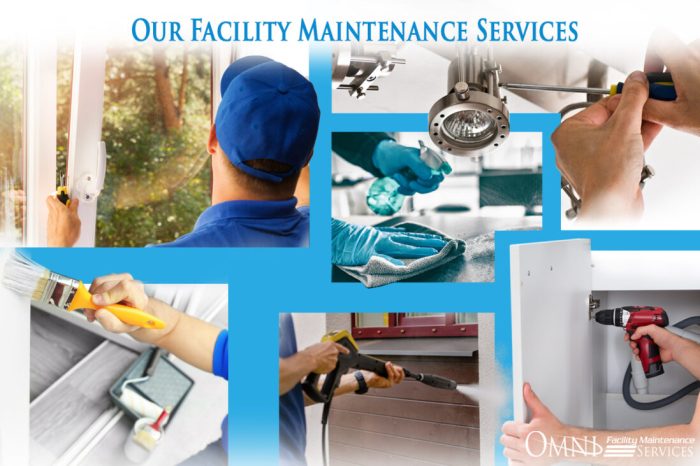
Facility cleaning and maintenance are integral components of a broader strategy known as facilities management (FM). FM encompasses all aspects of managing the built environment, aiming to optimize its functionality, safety, and overall value. Cleaning and maintenance, therefore, are not isolated tasks but crucial elements contributing to the success of the larger FM program.Effective facilities management ensures that a building or complex of buildings operates efficiently and provides a productive and safe environment for occupants.
It goes beyond simply keeping things clean; it involves proactive planning, resource allocation, and performance monitoring to achieve optimal results.
Key Responsibilities of Facilities Managers Regarding Cleaning and Maintenance
Facilities managers hold significant responsibility for overseeing cleaning and maintenance operations. This includes developing and implementing cleaning schedules, selecting appropriate cleaning products and equipment, managing cleaning staff, establishing quality control measures, and ensuring compliance with all relevant health and safety regulations. They also budget for cleaning supplies and maintenance services, track expenses, and negotiate contracts with external cleaning companies if necessary.
Furthermore, they are responsible for preventative maintenance programs, aiming to reduce the likelihood of major repairs and extend the lifespan of building assets. This proactive approach significantly reduces long-term costs.
Different Facilities Management Strategies and Their Impact on Cleaning and Maintenance
Various facilities management strategies exist, each impacting cleaning and maintenance operations differently. For example, a reactive approach focuses on addressing issues as they arise, often leading to higher costs and disruption. Conversely, a proactive strategy emphasizes preventative maintenance and regular cleaning, minimizing disruptions and extending the life of building assets. Outsourcing cleaning and maintenance services to specialized contractors can free up internal resources, while in-house teams offer greater control and potentially improved consistency.
A hybrid approach, combining outsourced and in-house services, allows organizations to tailor their strategy to their specific needs and resources. The choice between these strategies significantly impacts the budget allocation for cleaning and maintenance, the level of service quality, and the overall efficiency of operations. A large hospital, for example, might opt for a highly specialized and outsourced approach to medical equipment maintenance while managing in-house cleaning of less critical areas.
A smaller office building, however, might manage all cleaning and maintenance internally.
Effective Facilities Management and Its Contribution to a Positive Work Environment and Increased Productivity
A well-managed facility directly impacts employee well-being and productivity. A clean, well-maintained environment contributes to a positive work atmosphere, improving employee morale and reducing absenteeism. Effective FM, through preventative maintenance, minimizes disruptions caused by equipment malfunctions or building issues, allowing employees to focus on their work. Furthermore, a safe and comfortable environment reduces the risk of workplace accidents and injuries, leading to lower insurance costs and improved productivity.
Studies have shown a strong correlation between a well-maintained workspace and increased employee satisfaction and productivity. For instance, a study by the International Facility Management Association (IFMA) found that organizations with robust FM programs reported higher employee satisfaction and lower operational costs. This positive impact on employee morale translates into a tangible return on investment for the organization.
Sustainability in Facility Cleaning
Implementing sustainable practices in facility cleaning is crucial for minimizing environmental impact and promoting a healthier workplace. This involves a shift towards eco-friendly methods and products, reducing waste, and conserving resources. A comprehensive approach considers the entire lifecycle of cleaning materials and processes, from sourcing to disposal.
Environmentally friendly cleaning practices focus on reducing the use of harmful chemicals and maximizing the efficiency of cleaning processes. This leads to a reduction in pollution, improved indoor air quality, and a healthier environment for both staff and building occupants. Sustainable cleaning products are formulated with biodegradable ingredients and minimal packaging, reducing their overall environmental footprint. Furthermore, adopting efficient cleaning techniques minimizes water and energy consumption, further contributing to sustainability goals.
Examples of Sustainability Initiatives
Several initiatives can significantly reduce the environmental impact of facility cleaning. These initiatives often involve a combination of changes to products, processes, and staff training.
For instance, switching to microfiber cloths instead of disposable paper towels dramatically reduces waste. Microfiber cloths are reusable, require less water for cleaning, and are more effective at removing dirt and grime. Another effective initiative involves the implementation of a robust recycling program for cleaning supplies and waste generated during the cleaning process. This includes the proper segregation and disposal of hazardous waste, ensuring compliance with environmental regulations.
Furthermore, many facilities are now adopting water-efficient cleaning equipment, such as pressure washers with flow control, reducing water consumption substantially. Finally, implementing a green cleaning certification program can help demonstrate commitment to environmental stewardship and attract environmentally conscious clients or tenants.
Creating a Comprehensive Sustainability Plan
Developing a comprehensive sustainability plan requires a systematic approach. This involves setting clear goals, identifying areas for improvement, implementing changes, and monitoring progress.
The plan should begin with a thorough assessment of the current cleaning practices, identifying the types of cleaning products used, the amount of water and energy consumed, and the volume of waste generated. Based on this assessment, specific targets for reduction in waste, water, and energy consumption can be set. For example, a target might be to reduce water consumption by 20% within one year or to eliminate the use of specific harmful chemicals within six months.
The plan should also Artikel the specific actions required to achieve these targets, including the procurement of sustainable cleaning products, staff training on eco-friendly cleaning techniques, and the implementation of waste reduction strategies. Regular monitoring and reporting are crucial to track progress and make necessary adjustments to the plan. Finally, the plan should include provisions for ongoing evaluation and improvement, ensuring continuous progress towards sustainability goals.
This cyclical approach ensures that the sustainability initiatives remain relevant and effective over time.
Cost Management in Facility Cleaning
Effective cost management is crucial for maintaining clean and functional facilities without exceeding budgetary limits. Balancing the need for a pristine environment with the financial constraints of the organization requires a strategic approach encompassing careful planning, efficient resource allocation, and ongoing monitoring. Understanding the key cost drivers and implementing cost-optimization strategies are essential for long-term financial health and operational efficiency.
Key Cost Drivers in Facility Cleaning
Several factors significantly influence the overall cost of facility cleaning and maintenance. These costs can be categorized to better understand and manage them effectively. Ignoring these key drivers can lead to budget overruns and compromise the quality of cleaning services.
- Labor Costs: This is typically the largest expense, encompassing wages, benefits, and training for cleaning staff. Factors such as the size of the facility, the complexity of cleaning tasks, and the required staffing levels directly impact labor costs.
- Cleaning Supplies and Equipment: The cost of cleaning agents, disinfectants, paper products, and equipment (vacuum cleaners, floor polishers, etc.) varies based on the type and quality of products chosen, as well as the frequency of replacement and maintenance.
- Waste Disposal: Costs associated with waste removal and recycling depend on the volume of waste generated, the type of waste (hazardous or non-hazardous), and local disposal regulations.
- Energy Consumption: The energy used to power cleaning equipment and maintain the facility’s climate contributes to overall costs. This can be influenced by the efficiency of equipment and the building’s energy management systems.
- Contractual Services: Outsourcing specific tasks, such as window cleaning or specialized equipment maintenance, adds to the overall budget. Costs will vary depending on the chosen service provider and the scope of work.
Strategies for Optimizing Cleaning Costs
Implementing cost-saving measures without sacrificing cleanliness requires a multi-faceted approach. A well-defined strategy ensures that the facility remains clean and hygienic while minimizing unnecessary expenses.
- Inventory Management: Implementing a robust inventory management system helps prevent waste and reduces the risk of running out of essential supplies. This includes regular stock checks, optimized ordering practices, and efficient storage.
- Equipment Maintenance: Regular maintenance of cleaning equipment extends its lifespan, reduces the need for frequent replacements, and improves efficiency. This involves scheduled servicing, prompt repairs, and operator training.
- Staff Training and Productivity: Well-trained staff are more efficient and productive, reducing labor costs in the long run. Regular training on proper cleaning techniques, equipment usage, and safety protocols is crucial.
- Sustainable Cleaning Practices: Adopting eco-friendly cleaning products and methods reduces environmental impact and can lead to cost savings through reduced consumption of supplies and energy.
- Technology Integration: Utilizing technology, such as smart cleaning robots or automated cleaning systems, can improve efficiency and reduce labor costs in large facilities.
Facility Cleaning and Maintenance Budget Template
A well-structured budget is essential for effective cost control. This template Artikels key cost categories and allows for detailed tracking of expenses. Regular review and adjustment ensure the budget remains relevant and aligned with the facility’s needs.
| Cost Category | Monthly Budget | Notes |
|---|---|---|
| Labor Costs (Salaries, Benefits) | $XXXX | Include overtime and bonuses |
| Cleaning Supplies | $XXXX | Specify types of supplies and quantities |
| Equipment Maintenance & Repair | $XXXX | Include preventative maintenance and repairs |
| Waste Disposal | $XXXX | Specify type of waste and disposal method |
| Energy Consumption | $XXXX | Based on historical data and projected usage |
| Contractual Services | $XXXX | Specify services and associated costs |
| Training & Development | $XXXX | Include staff training and certifications |
| Contingency Fund | $XXXX | Allocate funds for unexpected expenses |
| Total Monthly Budget | $XXXX |
Effective facility cleaning and maintenance is not merely about cleanliness; it’s a strategic investment in productivity, safety, and a positive work environment. By implementing best practices, leveraging technology, and prioritizing sustainability, organizations can optimize their cleaning operations, minimize costs, and foster a thriving workplace. Understanding the intricacies of facility management, from selecting appropriate cleaning solutions to managing a team or outsourcing services, is key to achieving a consistently clean, safe, and efficient facility.
The information presented here serves as a foundation for building a robust and effective facility cleaning and maintenance program.
FAQ Corner
What are the typical contract terms for facility cleaning services?
Contracts typically range from monthly to annual agreements, with specific service schedules and clauses outlining responsibilities and termination procedures.
How often should HVAC systems be professionally maintained?
Frequency depends on system usage and size, but generally, biannual maintenance (spring and fall) is recommended for optimal performance and energy efficiency.
What are some signs I need to replace my cleaning equipment?
Signs include frequent breakdowns, inconsistent performance, high repair costs exceeding replacement value, and safety hazards due to wear and tear.
How can I ensure my cleaning staff are using cleaning products safely?
Provide thorough training on proper handling, storage, and disposal of chemicals. Enforce the consistent use of personal protective equipment (PPE) and follow all manufacturer safety guidelines.


