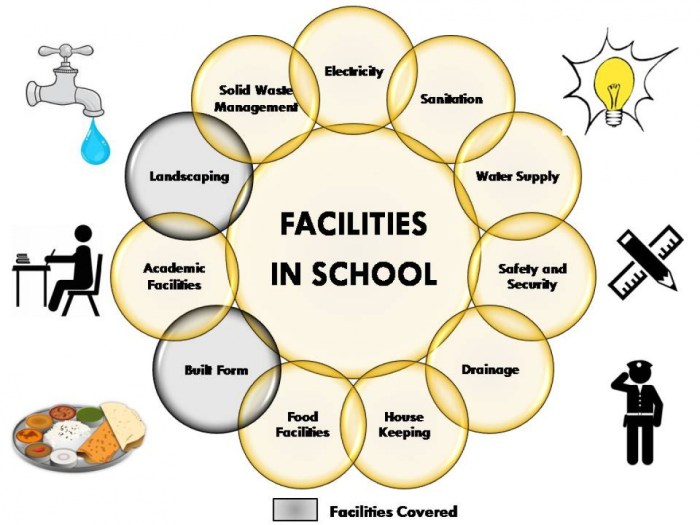
Effective facilities management is paramount for educational institutions, impacting everything from student learning and staff well-being to the overall reputation and financial health of the school or university. This comprehensive guide explores the multifaceted world of managing educational facilities, delving into key aspects such as preventative maintenance, sustainable practices, technological integration, budgeting, safety protocols, and the crucial link between well-maintained facilities and a positive learning environment.
We’ll examine the unique challenges and opportunities presented by diverse educational settings, from K-12 schools to higher education institutions.
From understanding key performance indicators (KPIs) and navigating legal compliance to leveraging technology for enhanced efficiency and resource allocation, we aim to provide a practical and insightful overview of best practices in facilities management within the educational sector. This exploration also considers broader perspectives, encompassing industry trends, professional development, and the ever-evolving landscape of facilities management across various sectors.
Key Aspects of Educational Facility Management
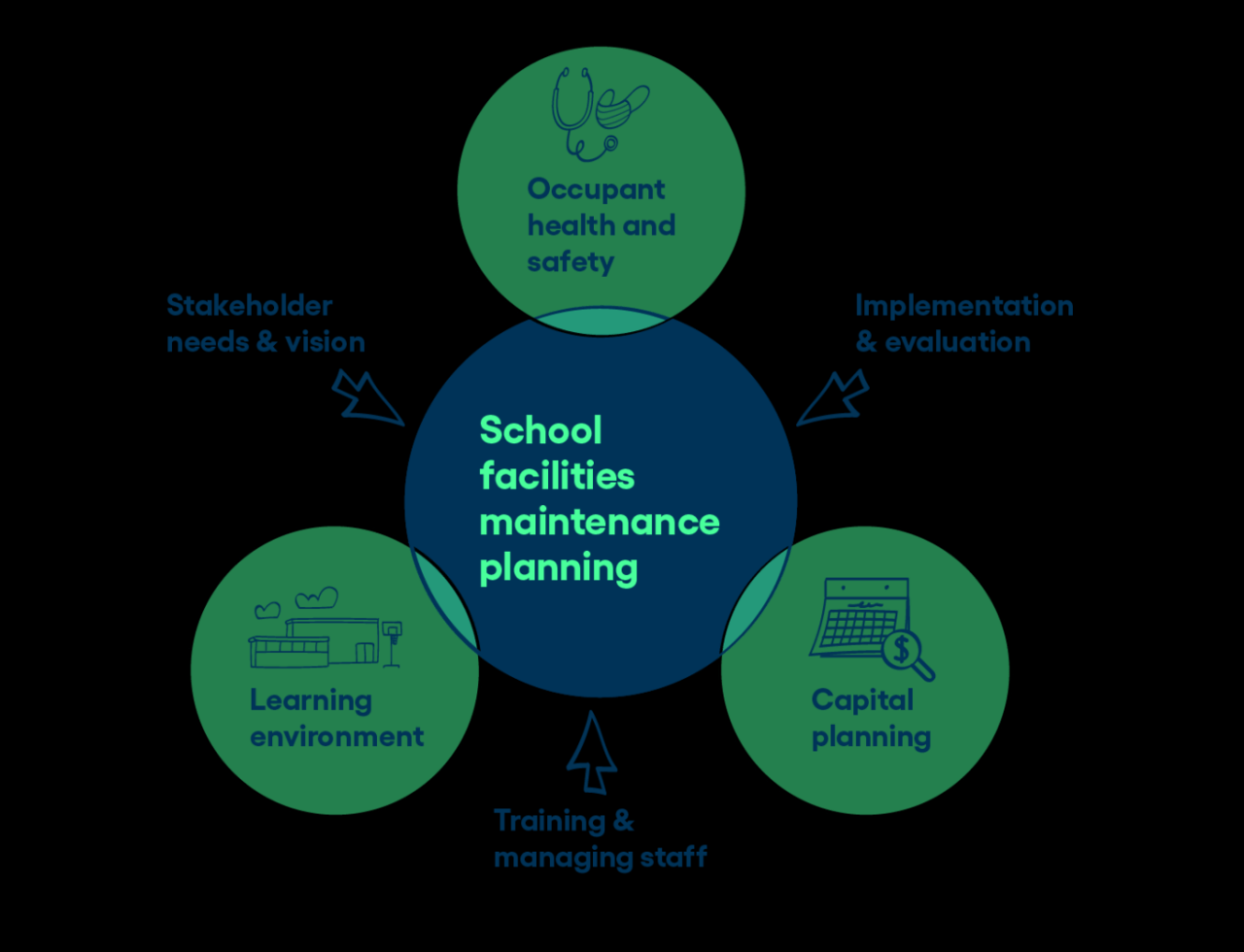
Effective facilities management is crucial for the smooth operation and success of any educational institution. A well-maintained environment fosters a positive learning experience, improves student and staff well-being, and ensures the long-term value of the institution’s assets. This section delves into key aspects of educational facility management, focusing on preventative maintenance, energy efficiency, common challenges, and legal compliance.Preventative Maintenance and Asset LifespanPreventative maintenance is a proactive approach to facilities management that focuses on regularly scheduled inspections, cleaning, and minor repairs to prevent major breakdowns and extend the lifespan of school assets.
By addressing small issues before they escalate into costly repairs or replacements, institutions can significantly reduce operational expenses and ensure the continued functionality of essential equipment and infrastructure. For example, regularly scheduled HVAC system maintenance can prevent costly repairs and ensure consistent classroom temperatures, contributing to a more comfortable learning environment. Similarly, proactive roof inspections can identify and address minor leaks before they lead to significant structural damage.
The implementation of a comprehensive preventative maintenance schedule, tailored to the specific needs of the institution, is key to maximizing the return on investment in school assets.Energy Efficiency and Sustainability in Educational FacilitiesEnergy efficiency and sustainability are increasingly important considerations in educational facilities management. Reducing energy consumption not only lowers operational costs but also contributes to environmental responsibility and aligns with the institution’s commitment to a sustainable future.
Strategies for improving energy efficiency include upgrading to energy-efficient lighting (such as LED lighting), optimizing HVAC systems, implementing smart building technologies for better control of energy usage, and promoting energy-conscious behaviors among staff and students. Investing in renewable energy sources, such as solar panels, can further reduce reliance on fossil fuels and minimize the institution’s carbon footprint. A commitment to sustainable practices extends beyond energy efficiency, encompassing waste reduction and recycling programs, the use of environmentally friendly cleaning products, and the incorporation of sustainable building materials in new construction or renovations.
The adoption of a comprehensive sustainability plan can enhance the institution’s reputation, attract environmentally conscious students and staff, and contribute to a healthier and more sustainable learning environment.Common Challenges in Educational Facilities ManagementEducational institutions face a unique set of challenges in managing their facilities. These challenges often stem from limited budgets, aging infrastructure, fluctuating student populations, and the diverse needs of various departments and programs within the institution.
Budget constraints often necessitate prioritizing maintenance and repair projects, leading to potential delays in addressing critical issues. Aging infrastructure can require significant investment in renovations and upgrades to maintain functionality and safety. Fluctuations in student enrollment can impact the demand for space and resources, requiring flexible and adaptable facility management strategies. The diverse needs of different departments (e.g., science labs, libraries, athletic facilities) necessitate specialized maintenance and support, requiring a well-coordinated and responsive facilities management team.
Furthermore, managing the safety and security of the facility, including addressing potential hazards and ensuring compliance with relevant regulations, presents an ongoing challenge.Legal and Regulatory Compliance in Educational Facilities ManagementEducational facilities management must adhere to a range of legal and regulatory requirements to ensure the safety and well-being of students, staff, and visitors. These requirements vary depending on location and the type of institution but typically encompass building codes, fire safety regulations, accessibility standards (such as the Americans with Disabilities Act in the US), environmental regulations, and health and safety guidelines.
Compliance with these regulations requires thorough documentation, regular inspections, and proactive measures to address any identified deficiencies. Failure to comply with these regulations can result in significant fines, legal action, and reputational damage. A robust compliance program, incorporating regular training for staff and the implementation of appropriate safety protocols, is essential for maintaining a safe and compliant educational environment.
Technology and Facilities Management in Education
The integration of technology into educational facilities management is no longer a luxury but a necessity for efficient and effective operations. Modern schools and universities face increasing pressures to optimize resource allocation, enhance safety, and improve the overall learning environment. Leveraging technology offers significant opportunities to address these challenges and create a more sustainable and responsive infrastructure. This section will explore several key technological applications within educational facilities management.
System for Integrating Technology to Improve Efficiency in Facilities Management for a School District
A comprehensive system for integrating technology across a school district’s facilities management requires a phased approach, beginning with a thorough assessment of current processes and infrastructure. This includes identifying existing systems, documenting workflows, and assessing the technological capabilities of each school building. The next phase involves selecting and implementing a centralized CMMS (Computerized Maintenance Management System), ideally with mobile access for staff.
This system will allow for streamlined work order management, preventative maintenance scheduling, and inventory tracking across all schools. Integration with a Geographic Information System (GIS) can further enhance efficiency by providing a visual representation of facilities and assets, enabling better resource allocation and response to emergencies. Finally, ongoing training and support for staff are crucial to ensure the successful adoption and utilization of the new system.
Data analytics derived from the CMMS can then inform strategic decisions regarding facility upgrades, maintenance budgeting, and long-term planning. For example, identifying recurring maintenance issues in a specific building type could lead to proactive measures to prevent future problems.
Examples of How Building Management Systems (BMS) Can Enhance the Management of Educational Facilities
Building Management Systems (BMS) offer a powerful tool for optimizing energy consumption, enhancing environmental control, and improving the overall safety and security of educational facilities. A BMS can monitor and control various building systems, including HVAC (Heating, Ventilation, and Air Conditioning), lighting, and security systems, all from a central location. For instance, a BMS can automatically adjust temperature settings based on occupancy levels, reducing energy waste during unoccupied hours.
Real-time monitoring of energy consumption allows for the identification of inefficiencies and opportunities for improvement. Furthermore, integration with security systems allows for immediate response to alarms and incidents, enhancing the safety and security of students and staff. For example, a BMS can automatically trigger an alert to security personnel if a fire alarm is activated or if an unauthorized access attempt is detected.
The data collected by the BMS can also be used to create detailed reports on energy consumption, maintenance needs, and other key performance indicators, enabling data-driven decision-making for facility managers.
Step-by-Step Procedure for Implementing a Computerized Maintenance Management System (CMMS) in a University
Implementing a CMMS in a university setting requires a methodical approach.
- Needs Assessment: Conduct a thorough assessment of the university’s current maintenance practices, identifying areas for improvement and defining the key functionalities required from a CMMS.
- Vendor Selection: Research and select a CMMS vendor that meets the university’s specific needs and budget, considering factors such as scalability, integration capabilities, and user-friendliness.
- Data Migration: Migrate existing maintenance data from legacy systems into the new CMMS. This may involve data cleansing and formatting to ensure accuracy and consistency.
- System Configuration: Configure the CMMS to reflect the university’s specific organizational structure, asset inventory, and maintenance procedures.
- Training and Support: Provide comprehensive training to all relevant staff on the use of the CMMS, including work order creation, preventative maintenance scheduling, and reporting.
- Go-Live and Monitoring: Implement the CMMS across the university and monitor its performance, making adjustments as needed to optimize its effectiveness.
- Ongoing Maintenance and Updates: Regularly update and maintain the CMMS to ensure its continued functionality and to incorporate new features and improvements.
Technological Tools that Improve Communication and Collaboration Among Facilities Staff and Other Stakeholders
Effective communication and collaboration are essential for efficient facilities management. The right technological tools can significantly enhance these processes.
- Project Management Software: Tools like Asana or Trello can facilitate collaborative project planning, task assignment, and progress tracking for maintenance projects and renovations.
- Instant Messaging Platforms: Platforms like Slack or Microsoft Teams enable real-time communication among facilities staff, allowing for quick responses to urgent issues and efficient coordination of tasks.
- Work Order Management Systems (integrated within CMMS): These systems streamline the process of assigning, tracking, and completing work orders, ensuring transparency and accountability.
- Mobile Devices and Apps: Mobile access to CMMS and communication platforms allows facilities staff to respond quickly to issues and update information in real-time, regardless of location.
- Data Visualization Dashboards: Dashboards provide a clear overview of key performance indicators (KPIs), allowing facilities managers to monitor progress, identify trends, and make data-driven decisions.
Budgeting and Resource Allocation
Effective budgeting and resource allocation are crucial for successful facilities management in educational institutions. A well-planned budget ensures that essential maintenance, repairs, and improvements are carried out, contributing to a safe and conducive learning environment. This process requires careful consideration of various factors, including funding sources, project prioritization, and cost allocation across different facilities management aspects.Creating a comprehensive budget involves a multi-step process.
Firstly, a thorough assessment of the institution’s existing facilities is necessary, identifying areas requiring immediate attention and those that can be addressed in the future. This assessment should encompass all building systems, including HVAC, plumbing, electrical, and structural elements, along with grounds maintenance and equipment. Next, detailed cost estimates for each identified project or maintenance task are prepared.
These estimates should account for labor, materials, and potential unforeseen expenses. Finally, the estimated costs are compiled into a comprehensive budget, outlining expenditures for each area of facilities management.
Funding Models for Educational Facilities
Educational institutions utilize diverse funding models for facilities maintenance and improvements. These include government grants and allocations, which often require specific project proposals and adherence to guidelines. Bond issuances allow schools to borrow funds for large-scale projects, with repayments spread over several years. Private donations and philanthropic contributions can supplement public funding, especially for specific initiatives or renovations.
Finally, operational budgets allocate a portion of the school’s annual revenue towards routine maintenance and minor repairs. The specific mix of funding models depends on the institution’s size, location, and overall financial resources. For example, a large public university might rely heavily on state funding and bond issuances, while a smaller private school may depend more on tuition fees and donations.
Prioritizing Facility Maintenance Projects
Prioritizing facility maintenance projects involves balancing urgency and cost-effectiveness. Several methods can be employed. A simple approach is to categorize projects based on urgency (e.g., critical, high, medium, low) and cost (e.g., high, medium, low). This allows for the prioritization of critical and low-cost projects first. More sophisticated methods involve using a weighted scoring system that considers factors like safety risks, impact on educational activities, and long-term cost savings.
For example, a leaky roof posing a safety risk and causing significant damage would score higher than cosmetic upgrades. Regular assessments and risk assessments are crucial to ensure projects are prioritized effectively and efficiently.
Allocation of Funds Across Facilities Management Aspects
The following table illustrates a sample allocation of funds across different aspects of facilities management. Note that these percentages are illustrative and will vary based on the specific needs and priorities of the institution.
| Category | Percentage of Budget | Examples |
|---|---|---|
| Preventive Maintenance | 30% | Regular cleaning, HVAC system checks, equipment inspections |
| Repairs | 40% | Addressing immediate issues like plumbing leaks, electrical faults, minor roof repairs |
| Renovations/Capital Improvements | 20% | Major renovations, building expansions, technology upgrades |
| Contingency Fund | 10% | Unexpected repairs, emergencies |
Facilities Management
Effective facilities management is crucial for the smooth operation of any organization, and its principles and practices transcend sectoral boundaries. While the specific needs of educational institutions differ from those of healthcare providers or commercial businesses, the underlying principles of efficient resource allocation, proactive maintenance, and responsive service delivery remain consistent. This section explores facilities management from a broader perspective, examining best practices across various sectors, its historical evolution, essential skills for professionals, and relevant professional organizations.
Best Practices in Facilities Management Across Sectors
Many best practices in facilities management are universally applicable. For example, implementing a robust Computerized Maintenance Management System (CMMS) is beneficial across sectors, allowing for streamlined tracking of maintenance requests, preventative maintenance schedules, and asset management. Similarly, a focus on energy efficiency, through measures such as implementing smart building technologies and promoting sustainable practices, is a cost-effective and environmentally responsible strategy embraced by organizations ranging from hospitals to office complexes.
Data-driven decision-making, using performance indicators to track efficiency and identify areas for improvement, is another key best practice that applies broadly. In the healthcare sector, stringent hygiene protocols are paramount, while in manufacturing, safety regulations take precedence; however, the fundamental principles of proactive planning and risk mitigation remain central.
Evolution of Facilities Management Practices
Facilities management has evolved significantly over time. Initially, it was largely reactive, focusing on addressing problems as they arose. The advent of preventative maintenance strategies marked a significant shift, emphasizing proactive measures to prevent equipment failures and extend asset lifespans. More recently, the integration of technology, such as building management systems (BMS) and IoT sensors, has enabled predictive maintenance, allowing for the anticipation and mitigation of potential issues before they impact operations.
This evolution reflects a broader trend towards data-driven decision-making and a more holistic approach to managing the built environment, incorporating factors such as sustainability and occupant well-being. For instance, the shift from solely focusing on reactive repairs to preventative maintenance in large office buildings has demonstrably reduced downtime and maintenance costs.
Key Skills and Qualifications for Effective Facilities Management Professionals
Effective facilities management professionals require a diverse skill set. Technical expertise in areas such as HVAC systems, electrical work, and plumbing is essential, along with strong project management skills to oversee maintenance projects and renovations. Furthermore, financial acumen is crucial for budgeting, cost control, and resource allocation. Excellent communication and interpersonal skills are also vital for interacting with building occupants, contractors, and other stakeholders.
Leadership skills are necessary to manage teams and motivate personnel. Finally, an understanding of relevant regulations and safety standards is paramount to ensure compliance and a safe working environment. Formal qualifications, such as a bachelor’s degree in facilities management or a related field, are increasingly valued, complemented by relevant certifications.
Professional Organizations and Certifications Related to Facilities Management
Professional organizations and certifications provide valuable resources and recognition for facilities management professionals. These organizations often offer training, networking opportunities, and industry best practice guidelines.
- International Facility Management Association (IFMA)
- Association of Facility Engineering (AFE)
- Building Owners and Managers Association International (BOMA International)
- American Society for Healthcare Engineering (ASHE)
Many of these organizations offer certifications, such as IFMA’s Certified Facility Manager (CFM) credential, which demonstrates a high level of competency and professionalism in the field. These certifications often involve rigorous examinations and ongoing professional development requirements.
Ultimately, successful facilities management in educational institutions isn’t merely about maintaining buildings; it’s about fostering a supportive and enriching environment that directly contributes to the academic success and overall well-being of students and staff. By embracing proactive strategies, integrating innovative technologies, and prioritizing safety and sustainability, educational institutions can optimize their facilities, maximize their resources, and create a thriving learning community.
This guide provides a framework for understanding the complexities and rewards of effectively managing these crucial assets.
FAQ Overview
What are the common insurance needs for educational facilities?
Common insurance needs include property insurance, liability insurance (covering accidents on campus), workers’ compensation, and potentially specialized coverage for unique equipment or research activities.
How can I improve communication between facilities staff and teachers/faculty?
Regular meetings, a dedicated communication platform (e.g., intranet, app), and open feedback channels can enhance communication. Proactive updates on maintenance schedules and planned disruptions are also crucial.
What are some strategies for addressing budget constraints in facilities management?
Prioritization of maintenance projects based on urgency and impact, exploring energy efficiency upgrades for long-term cost savings, and seeking grants or external funding are effective strategies.
How can facilities management contribute to improving student recruitment and retention?
Well-maintained and attractive facilities create a positive first impression on prospective students and contribute to a more pleasant and productive learning environment, positively influencing retention rates.


