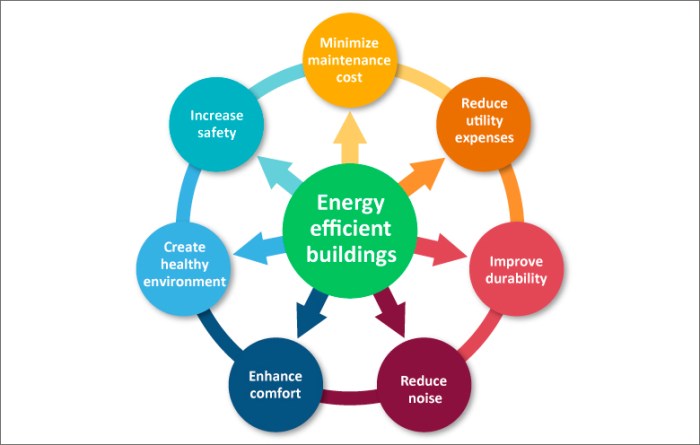
Optimizing building performance for both environmental sustainability and economic efficiency is paramount in today’s world. Energy-efficient facilities management solutions offer a pathway to significant cost savings, reduced carbon footprint, and improved operational effectiveness. This exploration delves into the strategies, technologies, and best practices that underpin successful implementation, examining everything from smart building technologies to employee engagement programs.
From comprehensive energy audits and strategic retrofits to the adoption of sustainable building materials and the utilization of data analytics, we’ll uncover how organizations can transform their facilities into high-performing, environmentally responsible assets. The journey will encompass practical examples, case studies, and a look towards future trends in this rapidly evolving field.
Future Trends in Energy-Efficient Facilities Management

The future of energy-efficient facilities management is rapidly evolving, driven by technological advancements, increasing environmental awareness, and the escalating costs of energy. We are moving beyond reactive maintenance and towards a proactive, data-driven approach that optimizes energy consumption and minimizes environmental impact. This shift is fueled by the integration of smart technologies and a greater emphasis on sustainability throughout the entire lifecycle of a building.The integration of advanced technologies is transforming how facilities are managed, leading to significant improvements in energy efficiency and operational effectiveness.
Smart Building Technologies and the Internet of Things (IoT)
Smart building technologies, powered by the Internet of Things (IoT), are revolutionizing energy-efficient facilities management. Sensors embedded within building systems collect real-time data on energy consumption, temperature, humidity, and occupancy. This data is then analyzed using sophisticated algorithms to identify areas for improvement and optimize energy usage. For example, IoT-enabled lighting systems can automatically adjust brightness based on occupancy levels, reducing energy waste in unoccupied spaces.
Similarly, smart thermostats can learn occupant preferences and adjust temperatures accordingly, optimizing comfort while minimizing energy consumption. The implementation of a building management system (BMS) that integrates all these IoT devices allows for centralized monitoring and control, providing a comprehensive overview of the building’s energy performance. This granular level of data and control allows facilities managers to make informed decisions, leading to substantial energy savings and improved operational efficiency.
Artificial Intelligence (AI) and Machine Learning (ML) in Predictive Maintenance
The application of AI and ML in predictive maintenance is another significant trend. By analyzing historical data and identifying patterns, AI algorithms can predict potential equipment failures before they occur. This allows for proactive maintenance, minimizing downtime and preventing costly repairs. For instance, AI can analyze data from HVAC systems to predict when a component might fail, enabling preventative maintenance to be scheduled before a breakdown occurs, avoiding costly emergency repairs and ensuring continuous operation.
This proactive approach not only reduces energy waste associated with equipment malfunction but also extends the lifespan of building systems, leading to long-term cost savings.
Renewable Energy Integration and Microgrids
The integration of renewable energy sources, such as solar and wind power, is becoming increasingly common in facilities management. Buildings are increasingly incorporating on-site renewable energy generation, reducing their reliance on the grid and lowering their carbon footprint. The use of microgrids, which are localized energy grids that can operate independently of the main grid, further enhances energy resilience and reduces reliance on fossil fuels.
For example, a hospital might integrate solar panels and a battery storage system to ensure uninterrupted power supply during outages, while simultaneously reducing its energy costs and environmental impact. This move towards energy independence not only contributes to environmental sustainability but also provides greater operational resilience and cost savings in the long run.
Challenges and Opportunities in Adopting New Technologies
The adoption of these new technologies presents both challenges and opportunities. Initial investment costs can be substantial, requiring careful planning and financial considerations. Furthermore, integrating various systems and ensuring data security are crucial aspects that need to be addressed. However, the long-term benefits, including significant energy savings, reduced operational costs, and improved sustainability, outweigh the initial investment. Government incentives and funding programs can help mitigate the financial barriers, making these technologies more accessible to a wider range of facilities.
Furthermore, the availability of skilled professionals to implement and manage these systems is essential for successful adoption.
Predictions for the Future of Energy-Efficient Building Operations
We predict a future where buildings are not merely passive structures but actively participate in managing their energy consumption. Buildings will become increasingly intelligent, self-regulating, and responsive to real-time conditions. Data-driven decision-making will be central to facility management, enabling proactive interventions and continuous optimization. The integration of renewable energy sources will become the norm, leading to a significant reduction in carbon emissions.
Ultimately, the future of energy-efficient building operations lies in the seamless integration of smart technologies, sustainable practices, and a data-centric approach to facility management. For example, we can envision a future where entire city blocks are interconnected through smart grids, optimizing energy distribution and reducing overall consumption. This integrated approach will not only benefit individual buildings but also contribute to the creation of more sustainable and resilient urban environments.
The Role of Data Analytics in Energy Management
Data analytics has become an indispensable tool in modern facilities management, offering unprecedented opportunities to optimize energy consumption and reduce operational costs. By leveraging the power of data, facility managers can gain valuable insights into energy usage patterns, pinpoint areas of waste, and implement targeted strategies for improvement. This approach moves beyond reactive maintenance to a proactive, data-driven model that ensures sustainable and cost-effective energy management.Data analytics allows for the identification of energy waste through the detailed examination of energy consumption patterns across various building systems.
This detailed analysis reveals trends and anomalies that might otherwise go unnoticed, highlighting opportunities for significant energy savings. For example, identifying unusually high energy consumption during off-peak hours could indicate a malfunctioning system or inefficient equipment. Similarly, comparing energy use across different building zones can reveal discrepancies and areas requiring attention.
Types of Data Collected and Analyzed for Energy Management
Effective energy management relies on the collection and analysis of diverse data sets. This data provides a comprehensive picture of energy consumption across the facility. Combining various data sources allows for a more holistic understanding and more accurate predictions.
- Building Management System (BMS) Data: BMS systems continuously monitor and record real-time data from various building systems, including HVAC, lighting, and power distribution. This data includes temperature readings, equipment run times, and energy consumption levels. Analyzing this data reveals energy usage trends and identifies potential inefficiencies.
- Meter Data: Sub-metering provides granular data on energy consumption at different levels within the building. This allows for precise identification of energy-intensive areas or equipment. For example, tracking energy usage of individual office spaces or production lines can reveal high-consumption areas needing attention.
- Weather Data: Integrating weather data into the analysis allows for a more accurate assessment of energy consumption. External factors like temperature and sunlight significantly impact energy demand, and incorporating this data allows for better understanding of energy usage patterns and predicting future energy needs.
- Occupancy Data: Sensors or other occupancy detection systems provide information on building usage patterns. This data helps to optimize HVAC and lighting schedules, reducing energy waste when areas are unoccupied. For example, if an area is consistently unoccupied during certain hours, the HVAC and lighting systems can be adjusted accordingly.
Data-Driven Insights for Energy Efficiency Decision-Making
The insights gleaned from data analytics directly inform decision-making related to energy efficiency. This data-driven approach ensures that resources are allocated effectively and improvements yield tangible results. This proactive approach minimizes energy waste and reduces operational costs.
- Targeted Retrofits: Identifying energy-intensive equipment or systems allows for prioritization of upgrades and retrofits. Data analysis can help justify the cost of upgrades by showing the potential return on investment in terms of energy savings.
- Optimized HVAC Scheduling: Analysis of occupancy and weather data enables optimization of HVAC schedules, minimizing energy consumption while maintaining comfortable indoor environments. For example, a large office building could reduce energy consumption by adjusting the temperature setpoints during off-peak hours or when occupancy is low.
- Improved Equipment Maintenance: Early detection of equipment malfunctions through data analysis allows for timely maintenance, preventing further energy waste and costly repairs. For example, identifying a slight decrease in efficiency of a chiller could prevent a catastrophic failure and associated downtime and energy loss.
- Behavioral Change Initiatives: Data analysis can reveal opportunities for behavioral changes that promote energy conservation. For instance, identifying peak energy consumption times can help inform employee engagement programs promoting energy-saving practices.
Financial Incentives and Regulations for Energy Efficiency
Energy efficiency in facilities is not just environmentally responsible; it’s also economically advantageous. Significant cost savings can be realized through reduced energy consumption, leading to a healthier bottom line. However, the initial investment in energy-efficient technologies can be a barrier for some. To overcome this, governments and other organizations offer a range of financial incentives and regulations designed to encourage and support the adoption of energy-efficient practices.
These incentives play a crucial role in accelerating the transition to a more sustainable built environment.Government regulations and financial incentives work in tandem to promote energy efficiency. Regulations often set minimum standards for energy performance, while incentives provide financial support to help facilities meet or exceed those standards. The effectiveness of these programs varies significantly depending on the specific incentives offered, the eligibility criteria, and the overall economic climate of the region.
Types of Financial Incentives and Regulations
Various financial incentives and regulations are available to encourage energy efficiency in facilities. These range from tax credits and rebates to grants and loan programs, and also include building codes and energy performance standards. Understanding these options is critical for facility managers seeking to improve their energy performance while minimizing financial burden.
| Incentive/Regulation Name | Description | Eligibility Criteria | Benefits |
|---|---|---|---|
| Tax Credits (e.g., US Federal Energy Efficient Commercial Buildings Tax Deduction) | Provides a tax deduction for investments in energy-efficient building improvements. | Typically requires specific energy-efficient upgrades, documentation of expenses, and meeting certain thresholds. Varies by location and specific program. | Direct reduction in tax liability, potentially significant cost savings. |
| Rebates (e.g., utility company rebates for high-efficiency HVAC systems) | Offers cash back for purchasing and installing energy-efficient equipment or technologies. | Often based on the type and efficiency rating of the equipment, and may require proof of installation. Varies by utility company and region. | Direct financial savings at the time of purchase, reducing upfront costs. |
| Grants (e.g., state or federal grants for energy audits) | Provides funding for energy assessments and retrofits. | Often targeted towards specific building types or organizations (e.g., schools, hospitals). Competitive application processes are common. | Covers a portion or all of the costs associated with energy audits or improvement projects. |
| Green Building Certifications (e.g., LEED) | While not strictly a financial incentive, achieving certifications often leads to higher property values and lower operating costs. | Meeting specific environmental performance criteria Artikeld by the certification program. | Increased property value, improved tenant attraction, potential for lower insurance premiums. |
| Energy Performance Standards (e.g., building codes mandating minimum energy efficiency levels) | Sets minimum energy efficiency requirements for new and sometimes existing buildings. | Applies to all new construction or renovations exceeding certain thresholds, depending on the jurisdiction. | Ensures a baseline level of energy efficiency, potentially reducing long-term operating costs. |
Effectiveness of Incentive Programs Across Regions
The effectiveness of energy efficiency incentive programs varies considerably across different regions. Factors such as the level of funding, the design of the programs (e.g., rebates versus tax credits), and the stringency of regulations all play a significant role. For example, some regions might offer generous rebates for installing solar panels, while others might focus on providing low-interest loans for energy efficiency upgrades.
The economic climate and the overall political will to support energy efficiency also influence the success of these initiatives. A region with a strong commitment to sustainability and a robust funding mechanism is likely to see greater adoption of energy-efficient technologies than a region with limited resources or less political support. Effective programs often incorporate a combination of incentives and regulations to maximize their impact.
Implementing energy-efficient facilities management solutions represents a multifaceted approach to enhancing building performance. By integrating smart technologies, sustainable practices, and engaged workforces, organizations can achieve substantial reductions in energy consumption, operational costs, and environmental impact. The future of facilities management hinges on embracing data-driven decision-making and innovative technologies to create truly sustainable and efficient built environments. The rewards – both financial and environmental – are substantial and well worth the investment.
FAQ Section
What is the return on investment (ROI) for energy efficiency upgrades?
ROI varies depending on the specific upgrades and building characteristics. However, many projects demonstrate significant returns within a few years through reduced energy bills and potential tax incentives.
How can I engage employees in energy-saving initiatives?
Implement a comprehensive communication strategy, provide training on energy conservation, recognize and reward employees for their contributions, and involve them in the decision-making process.
What are some common barriers to implementing energy-efficient solutions?
Common barriers include high upfront costs, lack of awareness or understanding, resistance to change, and insufficient funding.
Are there government incentives available for energy efficiency improvements?
Many governments offer tax credits, rebates, and grants to incentivize energy efficiency upgrades. Check with your local and national authorities for available programs.


